
LEARNIS Summer Camp
Boost Your Growth
Home > Formative Offer > Professional Skills > LEARNIS Summer Camp

A skill you have only been told about is not yet a skill
Five days. Mornings on the skill, afternoons on using it.
Leadership, communication and collaboration get trained here the only way they can be: with other people, in situations, while someone is watching.
Why a lecture on teamwork does not produce teamwork
A skill becomes usable when it has been tried, watched in a real situation, tested alongside other people and then thought about afterwards. That is the design of this path: teaching alternates with practical activity, group work and feedback, so that leadership, communication, responsibility, problem solving and collaboration are trained inside the experience.
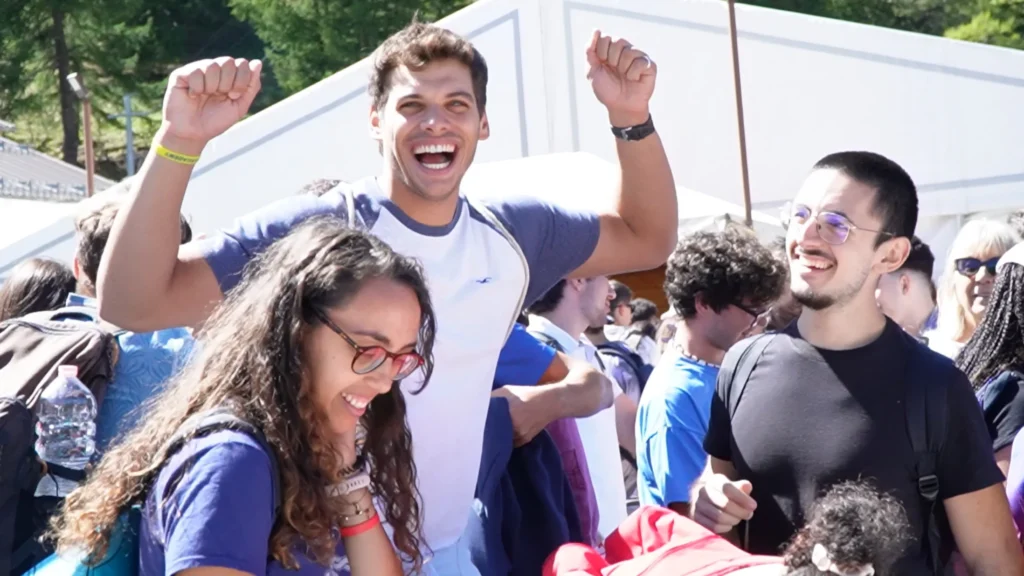
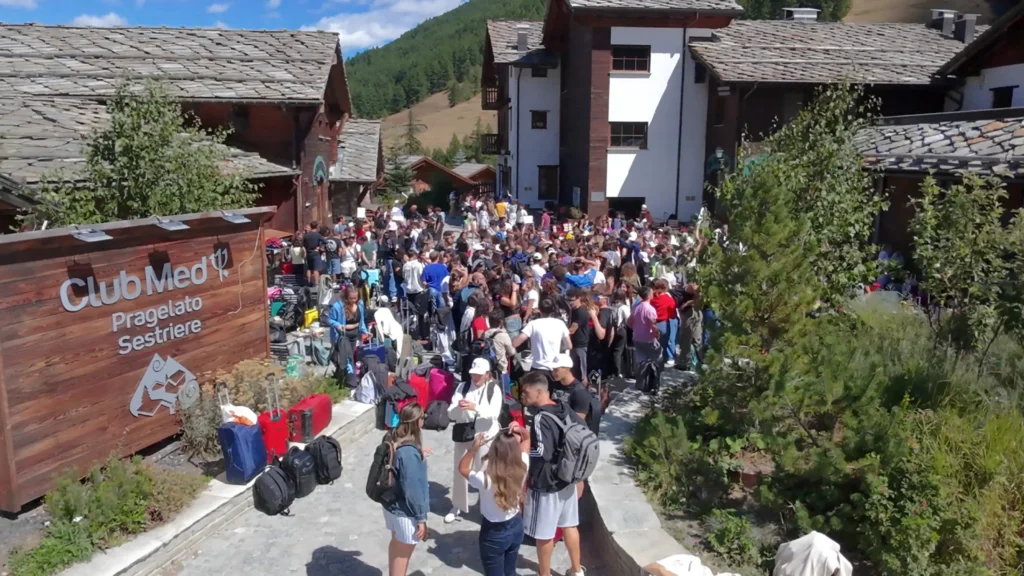
Cooperative Learning, and mixed groups on purpose
One of the methods used is Cooperative Learning: participants work in deliberately mixed groups, with shared objectives and different roles and responsibilities. That arrangement trains two things at once — what a person can do on their own, and what they can do with others: listening, coordinating, being clear, contributing to a result that is not only theirs, and using what the group actually has. The mix of ages, experience and roles is deliberate: it makes the group work resemble a real situation.
The sequence every day follows
1
Understand
Sessions that introduce the skill being worked on, and go into it.
2
Try it
Activities, simulations and group challenges where the content gets applied.
3
Watch what happened
Observing your own part in it, which is the step people skip on their own.
4
Rework it
Feedback and discussion: what worked, and what to do differently next time.
The same protections as every Learnis path
You see the method before you pay for it, and the code of ethics that binds every centre is published. What the guarantee covers is set out on the Guarantee page.
What people ask before enrolling
Which skills are actually trained?
Leadership, team building, communication, responsibility, problem solving, creativity, cooperation, organisation, giving and receiving feedback, and managing resources against objectives. They are transferable rather than academic: they show up in studying, at work and in ordinary relationships. Each edition can develop different themes and activities, but the educational logic does not change.
Who is in the room?
People of different ages, experience and roles, deliberately. For students it is a space to train the abilities that formal education rarely exercises — communicating, leading, solving problems, working with others. For professionals and entrepreneurs it is work on dynamics that transfer straight into a job: leading a team, delegating, communicating, handling conflict, getting the best from people. Each learns something from the presence of the other that neither would learn in a room of peers.
What is Cooperative Learning?
A way of organising group work in which the group is mixed on purpose, the objective is shared, and the roles and responsibilities inside it are different. It is used here because it trains individual and relational abilities at the same moment rather than one after the other.
What are the feedback moments?
Structured discussion after an activity, to reread what happened: which approaches worked, which did not, and what a person might do differently. They concern what took place in the exercise, not the person doing it. Learning to give and receive feedback is itself one of the skills on the list.
How long is it, and how is a day organised?
Five days. Mornings are targeted training, differentiated by the kind of participant and by how much experience they already have — a student and an entrepreneur are not worked with in the same way. Afternoons are practical activities in a playful format, where what the morning covered gets used on something. The split is deliberate: the point of the afternoon is not to relax after the morning, it is to find out what survived it.
Can someone under 18 take part?
Information on the participation of minors — minimum age, supervision, what a parent is asked to authorise and what they are entitled to know — is provided on request, before enrolment. Ask us and you will get it in writing.
When in the year does it run?
Dates are published each year by the centres. Where the calendar allows, the camp is placed so that it also works as a way back into the academic year. The centre you would attend with holds the current dates.
Ask us about LEARNIS SUMMER CAMP
Tell us who would be coming and what they are working on. We will get back to you.